 中文服务
中文服务







 6 Clinics Across London
 600,000 Treatments
 Free Consultation
 Award Winning Treatments

Laser hair removal is a popular and effective solution for achieving smooth, hair-free skin. However, many individuals are curious about the discomfort associated with the procedure, particularly in more sensitive areas. While pain levels vary from person to person, certain parts of the body are commonly reported to be more sensitive during laser hair removal. This guide explores the where is the most painful area for Laser Hair Removal and offers tips for managing discomfort during treatment.
Why Does Laser Hair Removal Hurt?
Laser hair removal London treatments work by targeting hair follicles with concentrated light energy. The heat generated destroys the follicles, preventing future hair growth. This process can cause a sensation often described as a rubber band snapping against the skin, accompanied by a warming or tingling feeling.
The intensity of discomfort depends on several factors:
- Skin Sensitivity: Thinner or more delicate skin areas tend to feel more pain.
- Hair Thickness: Coarser hair absorbs more laser energy, increasing the sensation.
- Treatment Area: Larger areas may feel less intense compared to smaller, concentrated zones.
- Pain Tolerance: Each individual’s pain threshold varies, influencing their perception of discomfort.
Most Painful Areas for Laser Hair Removal
Certain areas of the body are more sensitive to laser treatment due to the density of nerve endings and the thickness of the skin. Here are the most commonly reported painful areas:
1. Bikini Line and Brazilian Area
The bikini and Brazilian hair removal regions are among the most sensitive areas for laser hair removal due to:
- High density of nerve endings.
- Thin, delicate skin.
- Coarse hair, which absorbs more laser energy.
Discomfort in this area is often short-lived, but numbing creams can help alleviate the sensation.
2. Underarms
The underarms are another sensitive area due to the skin’s thinness and proximity to lymph nodes. However, because the treatment area is small, sessions are quick, making the discomfort manageable.
3. Face (Upper Lip and Chin)
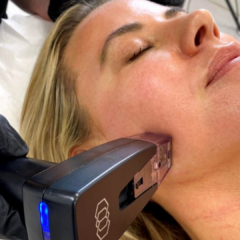
Facial hair removal areas, particularly the upper lip, are sensitive because of their thin skin and proximity to the nose and mouth, which are rich in nerve endings. The sensation may feel more intense but is brief, as these areas are small and quick to treat.
4. Chest and Abdomen
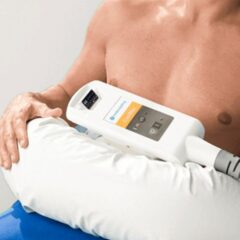
For men laser hair removal, the chest and abdomen can be more painful due to the thicker hair in these regions. The skin’s moderate sensitivity and the larger area being treated can make this zone slightly more uncomfortable.
5. Back
The back can feel uncomfortable, particularly near the spine, where nerve endings are more concentrated. However, the pain is often less intense compared to smaller, more sensitive regions.
Least Painful Areas for Laser Hair Removal
In contrast, areas with thicker skin or fewer nerve endings tend to be less painful:
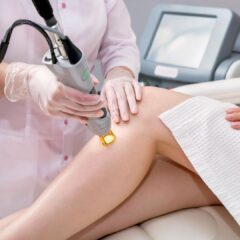
- Legs and Thighs: The skin here is generally less sensitive, making it more comfortable to treat.
- Arms: The sensation is mild, as the hair and skin in this area are less coarse.
Tips for Managing Pain During Laser Hair Removal
If you’re concerned about discomfort, there are several strategies to make the experience more tolerable:
- Use a Numbing Cream: Topical anaesthetics can significantly reduce the sensation in sensitive areas.
- Choose an Experienced Practitioner: Our skilled technicians can adjust the laser settings for your comfort.
- Hydrate and Moisturise: Well-hydrated skin is more resilient and can handle the procedure better.
- Take a Pain Reliever: Over-the-counter pain medication, like ibuprofen, can help reduce discomfort before your session.
- Communicate: Let your practitioner know if the pain is too intense—they can adjust the settings or take short breaks.
Final Thoughts
While laser hair removal can cause discomfort, the level of pain varies depending on the treatment area, skin sensitivity, and individual tolerance. The bikini line, underarms, and facial areas are often reported as the most painful, while legs and arms are usually more comfortable. With proper preparation and aftercare, the procedure is manageable and well worth the long-lasting results.
If you’re considering laser hair removal, consult with our professionals to discuss your concerns and ensure a smooth, comfortable experience. Smooth, hair-free skin is just a session away!










 Back to All Treatments
 In Clinic Consultation
 Telephone Consultation