 中文服务
中文服务







 6 Clinics Across London
 600,000 Treatments
 Free Consultation
 Award Winning Treatments
[vc_row][vc_column][vc_column_text]So you know you’ve got more than just a breakout…it’s too regular, too constant to be called “the odd spot” and it’s affecting your life with it’s presence. The question is, before treatment can begin…what type of acne is it?
There are two main types of acne; non inflammatory acne and inflammatory acne. Non inflammatory acne consists mainly of a type of blemish known as a comedone…blackheads and whiteheads to the uninitiated.
This type of acne is easier to deal with than the inflammatory type and 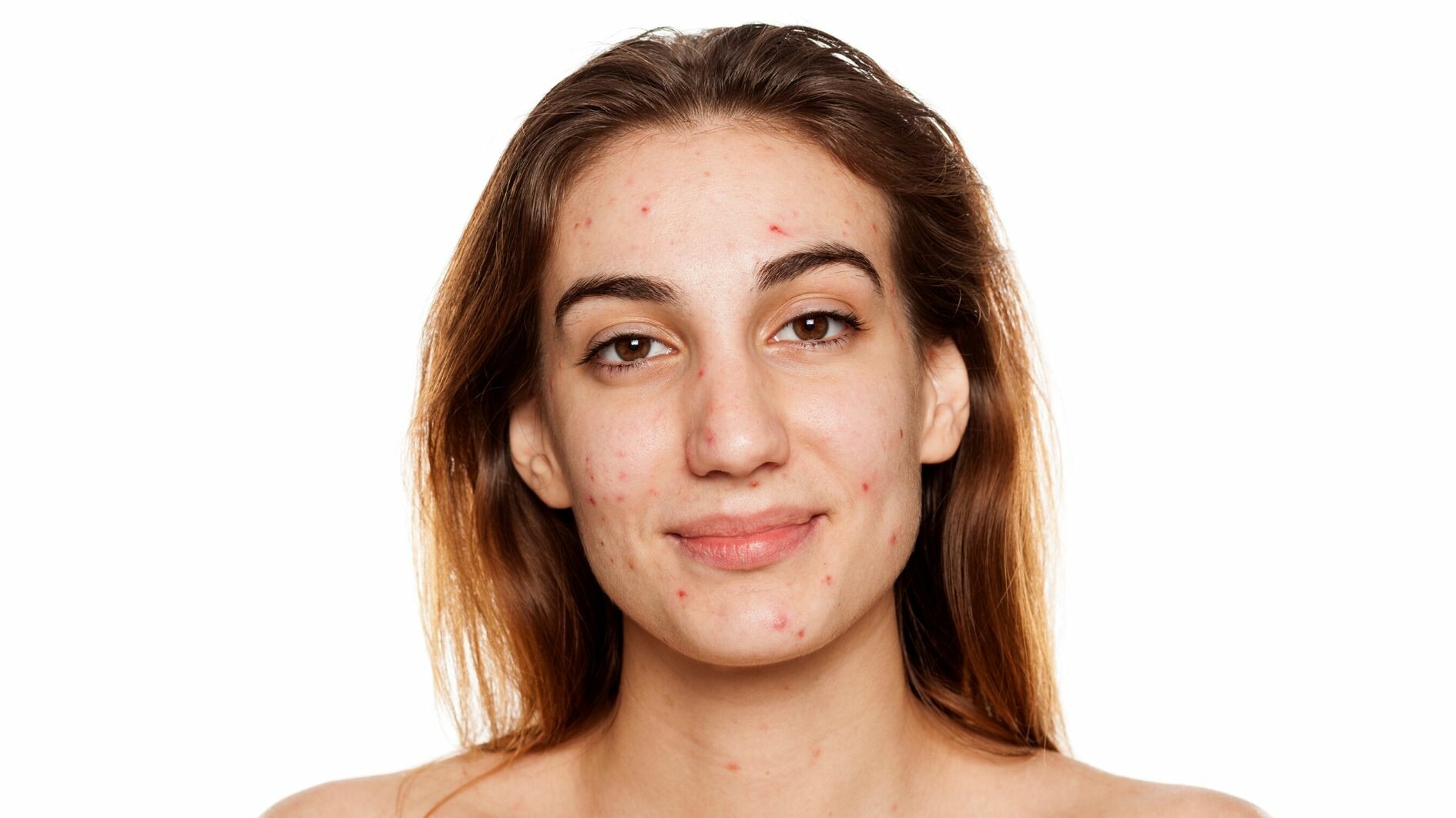 with good hygiene, minimal products and regular exfoliation you can expect this to clear up on its own. Medical experts can of course speed the process up with treatments such as deep cleansing and microdermabrasion or even with vitamin c rejuvenation facials.
Non inflammatory acne is mainly down to clogged pores and without the redness which accompanies inflammatory acne it isn’t too hard to get rid of.
Inflammatory Acne can be looked at as mild, moderate, severe and extreme. In mild cases, only a few spots will appear but they won’t go away like ordinary spots…they’ll hang around on your lower face and neck for much longer than an ordinary breakout. The more severe cases can of course be disfiguring and upsetting…some people who are suffering from a bad case will have very low self esteem indeed.
To try to classify your own acne, it is necessary to learn about the different types of spots and pimples which characterise acne.
-
- Whiteheads: These are formed from trapped sebum and bacteria just below the skin’s surface. They appear as tiny white spots which are difficult to squeeze. (Don’t try!)
-
- Blackheads: These are caused by sebum becoming visible in an open pore; ordinarily sebum is not dark in colour but once it is exposed to the elements it becomes black in colour.
-
- Papule: A swelling which may be sore but not very large; it is caused by a break in the follicular wall and the rush of white blood cells which is the body’s attempt to heal the break.
-
- Pustule: This is yellowish green in colour and usually forms after a papule has appeared. It looks particularly nasty and can be sore.
-
- Cyst: Caused by extreme swelling and the presence of a lot of pus beneath the surface of the skin.
-
- Nodule: A large, uneven swelling which is extremely painful to touch and may be red or purplish in colour.
The presence of all of the above in proliferation on your face, neck, shoulders and back would indicate a severe form of acne. This is the worst type to have and the most debilitating.
In moderate cases, sufferers will have just some of the above but may still feel extremely unhappy about their skin’s appearance and seeking assistance with acne is the only way to break the cycle of misery.
If you are suffering from acne and want to hurry along the healing process, it might be a good idea to look into some of the latest laser techniques; from mild to severe acne there will be a treatment designed just for your needs…improving your skins’ texture and appearance with a non-invasive and safe therapy can be a wonderfully freeing experience for anyone who has suffered with their skin on a long term basis..
Remember…don’t try to squeeze spots or pimples, you will only damage your skin and make it more susceptible to infections. Do practice good hygiene and avoid touching your face more than necessary. Change your pillowcase often and keep your hair away from your face. There is help out there no matter how severe or mild your case is…seek it and change your life.
[/vc_column_text][/vc_column][/vc_row]





 Back to All Treatments
 In Clinic Consultation
 Telephone Consultation