 中文服务
中文服务







 6 Clinics Across London
 600,000 Treatments
 Free Consultation
 Award Winning Treatments
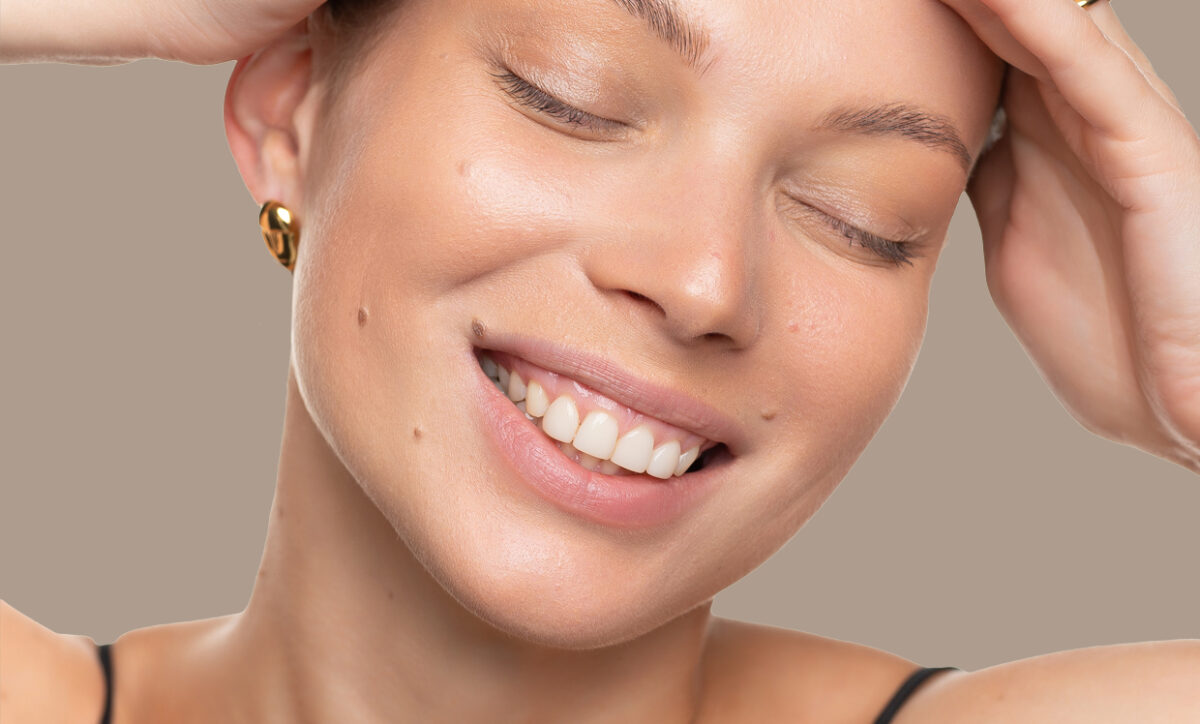
Polynucleotides are one of the latest breakthroughs in skin regeneration and anti-ageing treatments, offering a natural way to rejuvenate and repair the skin from within. Unlike traditional injectables that add volume or freeze muscle movement, polynucleotides work at a cellular level to stimulate collagen production, improve hydration, and repair damaged skin. But what do polynucleotides do for skin, and how do they benefit the skin?
What Are Polynucleotides?
Polynucleotides are biological molecules derived from salmon DNA, which closely resembles human DNA, making them highly biocompatible. These molecules act as powerful skin boosters, stimulating tissue regeneration and cellular repair. They work by activating the skin’s fibroblasts, the cells responsible for producing collagen and elastin, leading to firmer, more youthful skin.
Unlike dermal fillers, which simply add volume, polynucleotides restore and repair the skin, making them an excellent option for those wanting a natural-looking enhancement without altering facial structure.
How Do Polynucleotides Benefit the Skin?
Polynucleotides have a wide range of benefits for skin quality, hydration, and elasticity, making them suitable for both anti-ageing treatments and skin repair.
One of the biggest advantages is their ability to boost collagen production, which reduces fine lines, wrinkles, and skin laxity. By stimulating fibroblasts, polynucleotides help the skin regain its firmness and elasticity, providing a more youthful and refreshed appearance.
They also work as powerful hydrators, improving skin moisture levels and giving the skin a plumper, healthier look. Unlike hyaluronic acid, which provides surface hydration, polynucleotides work deeper within the skin, ensuring long-lasting hydration and improved skin resilience.
Polynucleotides are highly effective in reducing inflammation and repairing damaged skin. They are often used to treat redness, sensitivity, and post-procedure recovery, making them ideal for individuals with rosacea, acne scars, or sun-damaged skin. Their ability to promote cell renewal also helps fade pigmentation, brighten dull skin, and improve overall tone and texture.
Who Can Benefit from Polynucleotide Treatments?
Polynucleotides are suitable for a wide range of skin types and concerns. They are particularly beneficial for individuals experiencing early signs of ageing, such as fine lines, dehydration, and loss of elasticity. However, they are also ideal for those with damaged or inflamed skin, as they support the skin’s natural healing process.
They are often used to improve skin quality in delicate areas such as the under-eyes, neck, and décolletage, where traditional treatments may not be as effective.
How Long Do Results Take to Show?
Since polynucleotides work by stimulating natural skin regeneration, results appear gradually. Most people begin to notice improvements in hydration, texture, and firmness within a few weeks, with optimal results seen after two to three months. A course of two to three treatments, spaced a few weeks apart, is usually recommended for the best outcome.
What Do Polynucleotides Do for Skin?
Polynucleotides offer a scientifically advanced yet natural approach to skin rejuvenation, making them an excellent choice for those looking to repair, restore, and revitalise their skin without adding artificial volume. By boosting collagen, enhancing hydration, and reducing inflammation, they provide long-lasting improvements in skin texture, tone, and elasticity.
If you’re considering polynucleotide treatments, consulting with our experienced practitioners will ensure the treatment is tailored to your specific skin needs and goals, helping you achieve a healthier, more youthful complexion.








 Back to All Treatments
 In Clinic Consultation
 Telephone Consultation