 中文服务
中文服务







 6 Clinics Across London
 600,000 Treatments
 Free Consultation
 Award Winning Treatments

Tattoos are a form of self-expression, but sometimes, circumstances change, and the desire to remove them arises. Many people considering tattoo removal wonder whether it can be done in a single session. While the idea of instant removal is appealing, the reality is more complex. Let’s explore the factors that determine how long tattoo removal takes and can a Tattoo be removed in one session?
Understanding Tattoo Removal
Tattoo removal typically involves laser technology, which works by breaking down ink particles so the body can naturally eliminate them. The most common and advanced methods include:
- PicoSure Laser – Uses ultra-short laser pulses to shatter ink into tiny fragments, making it easier for the body to clear.
- Q-switch Laser – Delivers high-intensity pulses that break down ink but may require multiple treatments.
Why One Session Isn’t Enough for Most Tattoos
While it would be ideal to remove a tattoo in just one session, several factors influence the number of treatments required:
- Tattoo Depth and Ink Density
Professional tattoos tend to have more concentrated ink placed deeper into the skin, making removal more challenging. In contrast, amateur tattoos, which often have less ink and are applied more superficially, may fade faster. - Ink Colours Used
Darker inks, such as black and dark blue, respond better to laser treatment as they absorb more laser energy. Lighter colours, including yellow, green, and pastels, are harder to remove and usually require additional sessions. - Skin Type and Healing Ability
Skin tone and individual healing capacity play a role in how efficiently the body eliminates ink particles after laser treatment. Those with faster metabolic rates may clear ink more quickly than others. - Tattoo Size and Location
Smaller tattoos may fade faster, but larger or more intricate designs often take longer. Additionally, tattoos on areas with better circulation, such as the arms and shoulders, tend to fade more quickly than those on hands, feet, or ankles. - Type of Laser Used
Advanced laser treatments like the PicoSure Pro Laser may significantly reduce the number of sessions needed, but even then, complete removal usually requires multiple treatments spaced weeks apart.
What to Expect in a Tattoo Removal Session
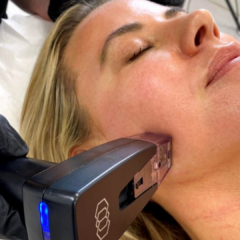
During a laser tattoo removal session, you. can apply a numbing agent to minimise discomfort before the practitioner start using the laser to target the ink. Most sessions last between 10 to 30 minutes, depending on the tattoo’s size and complexity. After treatment, the skin may appear red, swollen, or blistered, which is a normal part of the healing process.
How Many Sessions Are Typically Needed?
On average, most tattoos require 5 to 10 sessions for complete removal, with sessions spaced 6 to 8 weeks apart to allow the skin to heal and the body to flush out the fragmented ink particles. Some tattoos may fade significantly after just one or two sessions, but complete removal in a single session is highly unlikely.
Are there any Alternative Removal Methods
If you’re looking for quicker results, there is an alternative method, though it come with risks:
- Surgical Excision – Physically removing the tattooed skin and stitching the area, suitable only for very small tattoos, and it could leave a scar.
- Chemical Peels – Many ask if it’s an alternative method, it might help to slightly fade tattoos but are not as effective as lasers and can cause scarring.
- Dermabrasion – Another consideration is dermabrasion which uses mechanical exfoliation to remove ink layers but is painful and less precise than lasers and also not recommended.
Can a Tattoo Be Removed in One Session?
While the idea of removing a tattoo in one session is tempting, the reality is that most tattoos require multiple treatments for full removal. Factors such as ink colour, tattoo depth, skin type, and laser technology all contribute to the process. Advanced treatments like the PicoSure Pro Laser and Q-Switch can speed up the process, but patience is key. If you’re considering tattoo removal, consulting with our specialists will help determine the best approach for your specific tattoo and skin type.












 Back to All Treatments
 In Clinic Consultation
 Telephone Consultation