 中文服务
中文服务







 6 Clinics Across London
 600,000 Treatments
 Free Consultation
 Award Winning Treatments
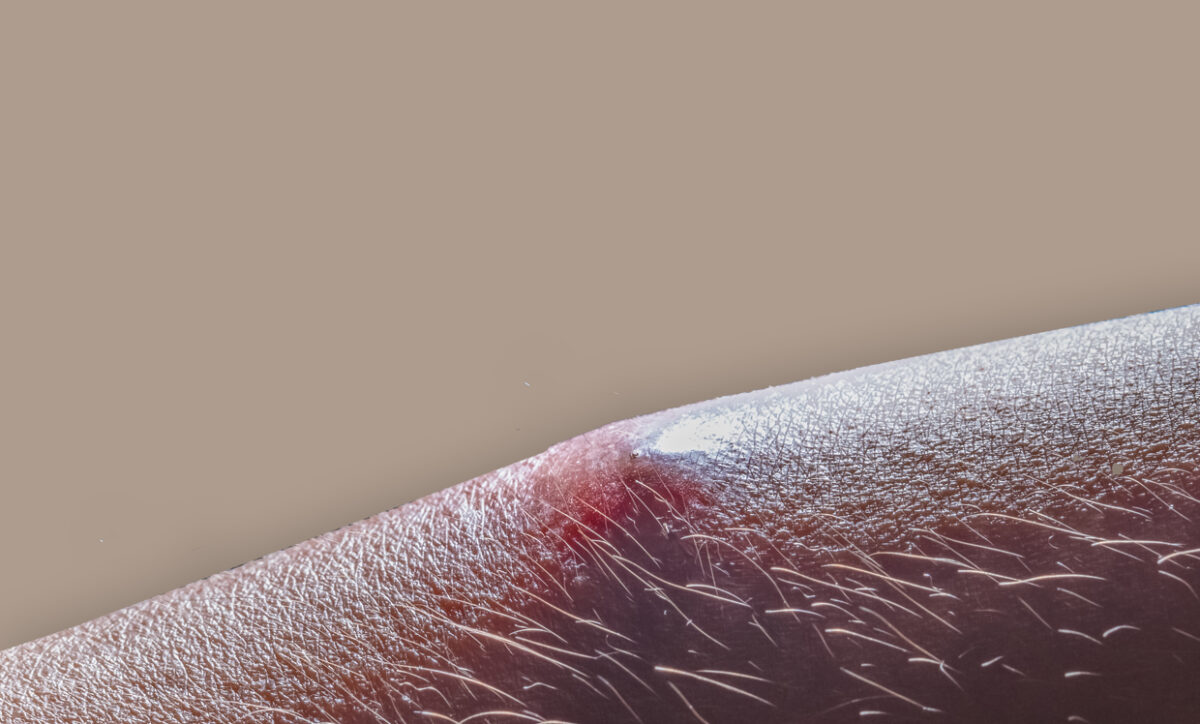
Ingrown hairs—those pesky, often painful little nuisances—are an unfortunate side effect of hair removal methods like shaving, waxing, or tweezing. They occur when hair grows back into the skin instead of out, often leading to redness, irritation, and sometimes even infection. But when faced with an inflamed bump, the big question arises: Can you squeeze an ingrown hair out? Let’s unpack this common conundrum.
Why You Should Resist the Urge
It’s tempting, isn’t it? That tiny bump feels like it’s just begging to be popped, but here’s the harsh truth: squeezing an ingrown hair often does more harm than good. Pressing or picking at the area can push the hair deeper into the skin, worsen inflammation, and increase the risk of scarring or infection. Instead, a gentle approach is key.
The Safe Way to Handle Ingrown Hairs
If you suspect an ingrown hair, follow these steps to treat it safely:
- Exfoliate the Area Gently
Use a mild exfoliator or a washcloth to buff away dead skin cells. This can help free the trapped hair without the need for squeezing. - Apply Warm Compresses
A warm compress can soften the skin and coax the hair to the surface naturally. Hold it against the area for a few minutes to reduce swelling and make extraction easier—if necessary. - Use Sterile Tools (If Absolutely Necessary)
If the hair is visible and can be easily removed, use sterilised tweezers or a needle to lift it out gently. Avoid digging around in the skin, as this can lead to irritation or infection. - Moisturise and Soothe
After addressing the ingrown hair, apply a soothing product containing ingredients like aloe vera or chamomile to calm the skin.
Prevention Is Always Better
Ingrown hairs treatment is one thing, but preventing them entirely is the ultimate goal. Here are some ways to keep these stubborn hairs at bay:
- Upgrade Your Hair Removal Routine: Shave in the direction of hair growth and avoid dull razors.
- Exfoliate Regularly: Prevent dead skin from trapping hairs by gently exfoliating your skin 2–3 times a week.
- Hydrate Your Skin: Well-moisturised skin allows hairs to grow through more easily.
The Solution to Ingrown Hair Woes
If you’re someone who struggles with frequent ingrown hairs, there’s a more permanent and preventative solution to consider: laser hair removal. By targeting the hair follicle directly, laser treatments reduce regrowth over time, meaning fewer chances for those troublesome hairs to turn inward. While it’s not an overnight fix, the long-term results are well worth it for smoother, healthier skin.
In addition, modern laser hair removal London treatments are suitable for a variety of skin tones and hair types, with minimal discomfort and downtime. It’s a subtle shift in your routine that can save you from the annoyance of ingrown hairs altogether.
Final Thoughts
While the occasional ingrown hair can be managed safely at home, the best strategy is prevention. By refining your hair removal practices or exploring treatments like laser hair removal, you can say goodbye to those painful bumps and hello to smoother, bump-free skin. And remember, if you ever find yourself asking, “Can you squeeze an ingrown hair out?” the answer is a careful no—stick to safer, smarter solutions for your skin’s sake.










 Back to All Treatments
 In Clinic Consultation
 Telephone Consultation