 中文服务
中文服务







 6 Clinics Across London
 600,000 Treatments
 Free Consultation
 Award Winning Treatments
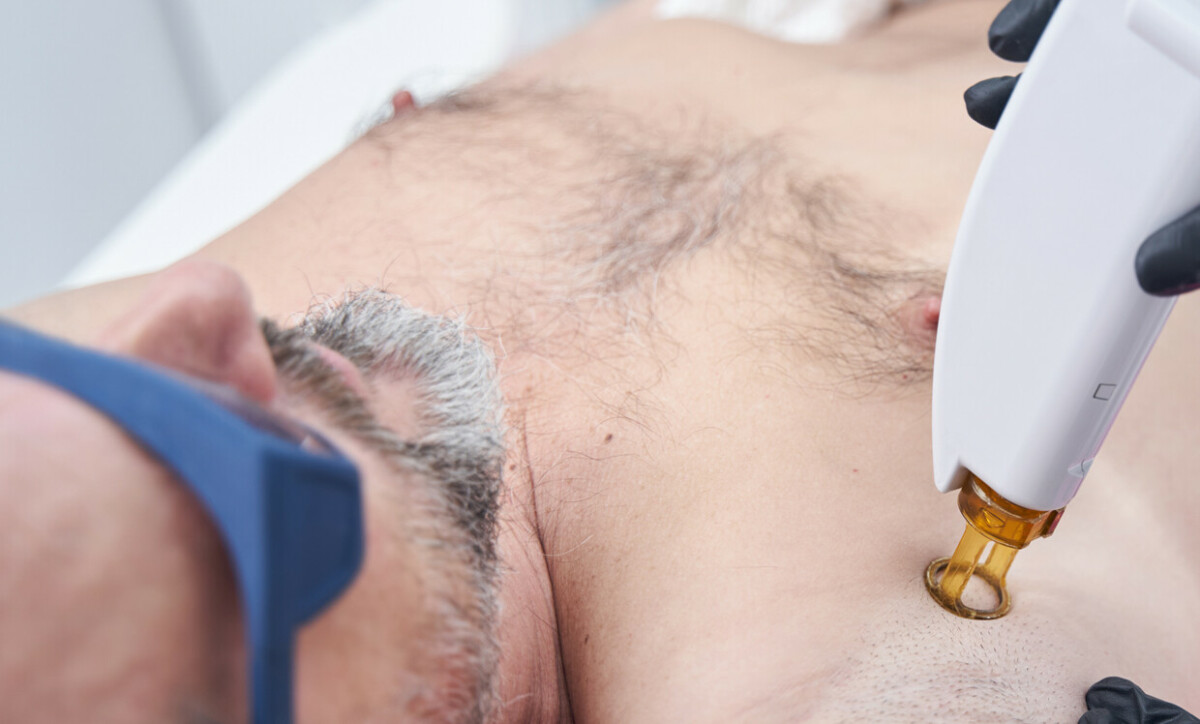
Laser hair removal is becoming an increasingly popular method for men seeking a more permanent solution to unwanted body hair. But how long does the effect actually last? Understanding the intricacies of this process can help men decide if it’s the right choice for their grooming needs.
The Basics of Laser Hair Removal
Laser hair removal works by targeting hair follicles with concentrated light. The pigment in the hair absorbs the light, which then damages the follicle enough to inhibit future hair growth. Multiple sessions are typically required to achieve optimal results as hair grows in cycles, and the laser can only effectively target hair during the growth phase.
Immediate Effects and Short-Term Results
After a session, the treated area might appear red and swollen, similar to a mild sunburn. These effects usually subside within a few hours to a couple of days. Initially, it might seem like hair is still growing, but these hairs will start to shed within a week or two, giving the appearance of smooth skin.
Longevity of Results
The longevity of men’s laser hair removal results can vary significantly among individuals. Factors such as hair colour, skin type, and the area being treated all play a role. Generally, after completing a series of treatments—typically 6 to 8 sessions spaced about 4 to 6 weeks apart—many men can expect to see a significant reduction in hair growth.
Maintenance and Touch-Up Sessions
While laser hair removal can lead to long-term hair reduction, it is not always permanent. Most men will experience some hair regrowth over time. However, the new hair growth is often finer and lighter in colour. To maintain the desired level of hair reduction, touch-up sessions may be necessary. These are usually needed once or twice a year, depending on individual hair growth patterns.
Permanent Reduction vs. Permanent Removal
It’s important to distinguish between permanent hair reduction and permanent hair removal. Permanent hair reduction means that some hair will regrow, but there will be a considerable decrease in the amount of hair and its thickness. Permanent hair removal, where no hair grows back at all, is less common and can depend on the person’s unique physiology.
Areas of the Body and Their Impact
The area of the body being treated can also influence the longevity of laser hair removal results. Areas with coarse, dense hair, like the back or chest, might require more sessions and more frequent maintenance compared to areas with finer hair, like the face or arms.
Hormonal Factors
Hormonal factors also play a significant role in the longevity of laser hair removal results. Men with hormonal imbalances or conditions like polycystic ovary syndrome (PCOS) might experience more rapid hair regrowth. In such cases, more frequent touch-up sessions may be necessary to maintain the results.
Choosing the Right Clinic
Choosing a reputable laser hair removal London clinic like Premier Laser & Skin Clinics with experienced professionals can greatly influence the success and longevity of laser hair removal treatments. Our skilled practitioners will tailor the treatment to suit individual hair and skin types, potentially leading to better and longer-lasting results.
In summary, laser hair removal offers men a long-term solution for managing unwanted body hair, with results that can last for months to years. While not typically a permanent solution, it significantly reduces the need for daily grooming. Maintenance sessions are crucial to prolong the effects, and individual factors such as hair type, treatment area, and hormonal influences will affect the overall longevity of the results. By understanding these variables, men can make an informed decision about whether laser hair removal is the right choice for their grooming needs.













 Back to All Treatments
 In Clinic Consultation
 Telephone Consultation