 中文服务
中文服务







 6 Clinics Across London
 600,000 Treatments
 Free Consultation
 Award Winning Treatments

In the quest for silky, smooth skin, laser hair removal stands out as a beacon of hope. This advanced cosmetic procedure promises an end to the relentless cycle of shaving, waxing, and plucking—offering a longer-lasting solution to unwanted hair. However, it’s not uncommon for individuals to encounter a puzzling obstacle post-treatment: the presence of stubble. If you’ve noticed this, too, you’re certainly not alone. This blog post aims to demystify why stubble can appear even after undergoing laser hair removal, providing insights and guidance to help you achieve the flawless results you desire.
Understanding Laser Hair Removal
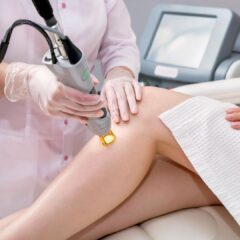
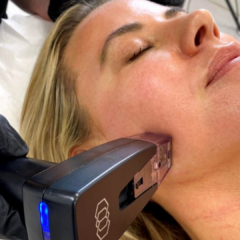
Laser hair removal operates on a principle that sounds almost too good to be true: using concentrated light to target and destroy hair follicles, thereby inhibiting future hair growth. The laser specifically targets melanin—the pigment that gives hair its colour—making the follicles unable to produce new hair.
The effectiveness of this procedure, however, is intricately tied to the hair’s growth cycle, which is divided into three stages: anagen (growth phase), catagen (transitional phase), and telogen (resting phase). Since the laser is most effective on hairs in the anagen phase, multiple sessions are required to catch as many hairs in this stage as possible. Understanding this cycle is crucial for grasitating why some stubble might appear after your treatments.
Reasons for Stubble After Laser Hair Removal
Hair Growth Cycles: The primary reason you might notice stubble after laser hair removal is the nature of your hair’s growth cycles. With hairs at different stages at any given time, a single laser session can only target hairs in the active growth phase. This discrepancy means that hairs not in the active phase during treatment will continue to grow, leading to the perception of stubble.
Hair Colour and Type Variability: The effectiveness of laser hair removal can also vary dramatically based on the colour and type of hair. Darker hair, rich in melanin, absorbs the laser light more effectively, whereas lighter hair may not absorb the laser as well, making the treatment less effective. Similarly, coarse hair responds better to laser treatment than fine hair.
Insufficient Treatments: Adhering to the recommended number of sessions is crucial for achieving optimal results. Many people underestimate the commitment required, leading to incomplete treatment and the appearance of stubble as untreated hairs continue to grow.
Regrowth Due to Hormonal Changes: Hormonal fluctuations can significantly influence hair growth, potentially leading to regrowth even in treated areas. Conditions such as polycystic ovary syndrome (PCOS) or changes associated with pregnancy or menopause can alter hair growth patterns and density, contributing to the appearance of stubble.
Tips to Manage and Minimise Stubble Post-Treatment
Consistent Sessions: Ensuring that you attend all scheduled sessions is vital for catching hairs in their growth phase. Skipping appointments can lead to suboptimal results and the persistence of stubble.
Pre-Treatment Care: Preparing your skin and hair according to your technician’s advice can enhance the effectiveness of the treatment. This often includes avoiding plucking or waxing before sessions, as the laser targets the roots of the hair.
Post-Treatment Care: Aftercare is equally important. Gentle skin care, avoiding direct sun exposure, and using recommended products can help soothe the skin and may enhance the treatment’s effectiveness.
Consultation for Hormonal Issues: If you suspect hormonal imbalances are contributing to unexpected hair growth, consulting with a healthcare provider can offer solutions that complement your laser hair removal treatments, ensuring better overall results.
Encountering stubble after laser hair removal can be disheartening, but it’s often a temporary and manageable issue. Understanding the reasons behind it—such as the natural hair growth cycle, treatment adequacy, and individual hormonal profiles—can provide reassurance. Patience, adherence to your treatment plan, and open communication with your laser hair removal London technician are key components to achieving the smooth, hair-free skin you desire. Remember, each journey to hairlessness is unique, and yours is no exception. With persistence and the right care, smooth skin is well within reach.











 Back to All Treatments
 In Clinic Consultation
 Telephone Consultation