 中文服务
中文服务







 6 Clinics Across London
 600,000 Treatments
 Free Consultation
 Award Winning Treatments
Unravelling the Myths and Facts
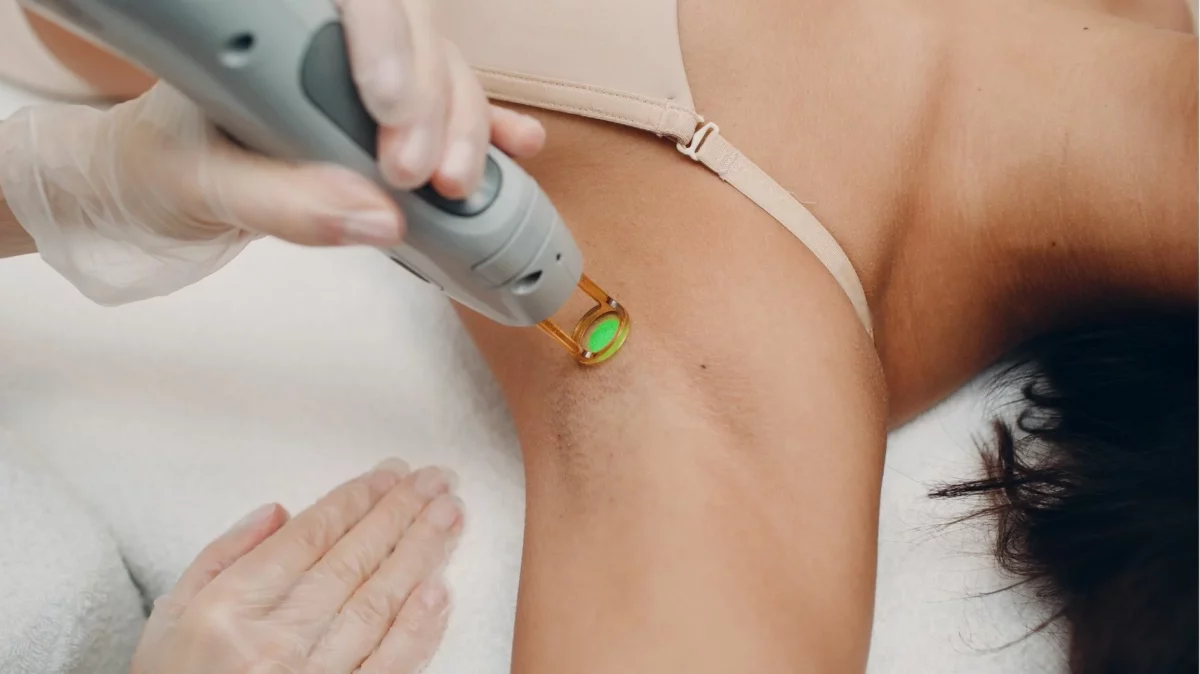
In the realm of procedures, laser hair removal has gained popularity as a sought-after method to achieve smooth and hair-free skin. However, with its increasing use, concerns have arisen regarding the safety of this technique and its potential link to cancer. In this article, we will explore the aspects of laser hair removal and address the question: Does laser hair removal pose a risk of causing cancer?
Understanding How Laser Hair Removal Works
Before delving into the topic of cancer risk, it is crucial to grasp the underlying mechanism behind laser hair removal. This cosmetic procedure utilises beams of light (lasers) to target and destroy hair follicles. The pigmentation in these follicles absorbs the energy, resulting in damage that inhibits hair growth.
Addressing Cancer Concerns
The primary apprehension about cancer risk arises from misconceptions surrounding lasers and assumptions that all forms of radiation are inherently harmful. It is essential to differentiate between ionising radiation. Ionising radiation, such as X-rays and gamma rays, possesses energy to dislodge bound electrons from atoms, potentially leading to cellular damage associated with cancer development. On the other hand, non-ionising radiation—like the light used in laser hair removal—does not possess energy to ionise atoms or molecules.
What Research Reveals
A significant amount of research has been conducted to understand the health risks associated with laser hair removal. According to sources such as the American Society for Dermatologic Surgery and other health authorities, there is currently no evidence indicating that laser hair removal poses a risk of causing cancer. The lasers used in these procedures are specifically designed to target the melanin in hair follicles without causing harm to the surrounding skin or tissues.
Other Safety Considerations
It is important to note that there are still some side effects. These may include skin irritation, redness, swelling and changes in skin pigmentation. However, these side effects can be minimised by selecting an experienced practitioner.
The Role of FDA Approval
Laser hair removal devices are classified by the U.S. Food and Drug Administration (FDA) as devices. Several laser devices have been approved by the FDA for use when operated correctly. This approval is contingent upon following the guidelines provided by the device manufacturers.
To conclude, concerns about laser hair removal causing cancer seem to be more based on myth than reality. The type of radiation utilised in these treatments does not possess DNA-damaging properties that lead to cancer development. However, like any procedure, it’s crucial to seek guidance from medical experts and select qualified practitioners to ensure a safe experience. Remember, being well-informed and cautious is always the approach. If you have any concerns or a history of skin cancer, it’s advisable to discuss these matters with your dermatologist or healthcare provider before going with laser hair removal.
Sources;
The American Society for Dermatologic Surgery provides information on laser hair removal. You can access it online at https://www.aad.org/public/cosmetic/hair-removal/laser-hair-removal-overview
The U.S. Food and Drug Administration offers insights into radiation-emitting products. For details visit https://www.fda.gov/radiation-emitting-products
The Skin Cancer Foundation presents facts and statistics regarding skin cancer. You can find information online at https://www.skincancer.org/blog/ask-the-expert-can-laser-treatment-for-sun-damaged-skin-cause-skin-cancer/
Disclaimer: Please note that this blog post is intended for purposes only and should not be considered as advice. Always consult with a dermatologist.













 Back to All Treatments
 In Clinic Consultation
 Telephone Consultation